Creating eye-catching pins is essential for success on Pinterest. Whether you are a blogger, marketer, or small business owner, strong visuals help your pins stand out in a crowded feed. However, finding high-quality images that are free and safe to use can be challenging. Fortunately, many platforms offer free stock images that work perfectly for Pinterest pins and templates.
This guide explains how to find, choose, and use free stock images effectively while maintaining a professional and polished look.
Why High-Quality Images Matter for Pinterest
Pinterest is a visual search platform where users discover ideas through images. Pins with attractive visuals receive significantly more engagement, including saves, clicks, and shares.
High-quality stock images can help you:
Capture attention in a busy feed
Improve brand credibility
Increase pin engagement and click-through rates
Maintain a consistent visual style across templates
Using professional stock images also saves time compared to creating visuals from scratch.
Best Sources for Free Stock Images
Many reputable websites provide free images suitable for Pinterest graphics and templates. These platforms allow creators to download high-resolution photos that can be edited and customized.
Popular free stock image platforms include:
Unsplash
Pexels
Pixabay
These sites offer thousands of images in categories like lifestyle, business, travel, food, and marketing. Most photos can be used for commercial purposes, which makes them ideal for bloggers and entrepreneurs building Pinterest content.
However, some creators prefer premium libraries like Shutterstock because they offer a wider range of professional images. If you want higher exclusivity and quality, using a Shutterstock Coupon Code can help reduce the cost of premium downloads.
How to Choose the Right Images for Pins
Not every stock photo works well for Pinterest. When selecting images, focus on visuals that match Pinterest’s vertical layout and storytelling style.
Look for images that have:
Strong focal points
Clean backgrounds
Bright lighting
Space for text overlays
Images with blank areas or minimal distractions make it easier to add titles, branding, and call-to-action text when designing your pins.
Lifestyle images also perform particularly well because they feel authentic and relatable to users browsing the platform.
Using Stock Images in Pinterest Templates
Templates allow creators to produce multiple pins quickly while maintaining consistent branding. Free stock images can be integrated into templates using design tools such as Canva or Photoshop.
When building Pinterest templates:
Use consistent fonts and colors
Overlay clear, readable text
Keep layouts simple and balanced
Add your logo or brand element
By combining templates with free stock images, you can create multiple pins for a single blog post or product in just minutes.
This approach is widely used by marketers to test different visuals and improve pin performance.
Tips for Staying Legally Safe
Even when using free stock images, it is important to verify the licensing rules. Some images may require attribution, while others may have restrictions for commercial use.
Always check:
License terms on the download page
Model or property releases if people appear in the image
Restrictions on reselling or redistributing images
For businesses that need guaranteed licensing protection, premium libraries can provide additional security, especially when paired with discounts like a Shutterstock Coupon Code.
Final Thoughts
Free stock images are a powerful resource for creating engaging Pinterest pins and templates. With the right visuals, creators can design professional graphics that attract clicks and drive traffic.
By selecting high-quality images, using clean template designs, and respecting licensing rules, you can consistently produce Pinterest content that looks polished and performs well.
Whether you rely on free platforms or upgrade to premium libraries, the key is choosing visuals that align with your message and capture attention in the Pinterest feed.
Ever wondered what happens when you mix stock photos with artificial intelligence? Well, we’ve got some mind-bending news for you! Shutterstock AI has crashed the creative party, and it’s turning the world of digital imagery upside down.
We’ve been playing around with this new tool, and let’s just say it’s like having a magical art genie at our fingertips. Remember those frustrating moments when you couldn’t find the perfect image of a break-dancing grandmother riding a unicorn through space? Those days are history! With Shutterstock AI, we can now conjure up practically any wild imagination our caffeinated brains can dream up – and trust us, we’ve had some pretty bizarre requests that would make Salvador Dalí raise his famous mustache in approval.
Key Takeaways
Shutterstock AI is a powerful tool that transforms text descriptions into custom images using advanced AI algorithms, generating unique visuals in under 30 seconds
The platform offers three main style categories – photorealistic, artistic, and creative renderings – with 4 variations per prompt and commercial licensing included
Users can access different pricing tiers starting at $49/month for 100 generations, with options to save up to 25% using promo codes and annual commitments
The tool excels in quality and resolution (up to 2048×2048 px), offering faster generation speeds (30 seconds) compared to competitors like Adobe Stock AI
Best results come from specific, detailed prompts that include descriptive adjectives, camera angles, and lighting effects while avoiding vague terms and branded content
Integration with existing Shutterstock subscriptions makes it a comprehensive solution for creative professionals and marketing teams, potentially saving 5-15 hours per project
What Is Shutterstock AI and How Does It Work
Shutterstock AI transforms text descriptions into custom images through advanced artificial intelligence algorithms. It’s like having a digital artist who never sleeps, gets cranky, or demands coffee breaks.
Key Features and Capabilities
Generates unique images from detailed text descriptions in under 30 seconds
Creates multiple variations of the same concept with a single prompt
Offers commercial licensing for AI-generated content
Maintains consistency with Shutterstock’s quality standards
Integrates seamlessly with existing Shutterstock subscriptions
Provides unlimited image generations within subscription limits
Photorealistic Images
Product photography
Corporate headshots
Lifestyle scenes
Architectural visualizations
Artistic Renderings
Digital paintings
3D illustrations
Vector graphics
Abstract compositions
Creative Concepts
Fantasy scenes
Futuristic environments
Character designs
Conceptual art
Style Category
Available Variations
Processing Time
Photorealistic
4 per prompt
15-20 seconds
Artistic
4 per prompt
20-25 seconds
Creative
4 per prompt
25-30 seconds
Using Shutterstock AI for Creative Projects
Shutterstock AI transforms our wildest creative visions into stunning visuals. Let’s explore how this digital art wizard makes our creative projects pop with minimal effort.
Generating Custom Images
Creating custom images with Shutterstock AI feels like having a personal art genie at our fingertips. Here’s what makes it magical:
Type quirky prompts like “disco-dancing dinosaur in a tuxedo” to get instant results
Generate 4 unique variations of each concept in 30 seconds
Mix styles from photorealistic to cartoon to abstract art
Save 25% on image generation credits with a Shutterstock Promo Code 2024
Download unlimited AI-generated images within subscription limits
Adjust color schemes with simple text commands
Transform image styles from one genre to another
Modify specific elements while keeping others intact
Fine-tune lighting moods from sunny to dramatic
Add or remove objects without starting over
Generate variations of our favorite outcomes
Feature
Processing Time
Available Variations
Custom Image Generation
30 seconds
4 per prompt
Style Transformation
15 seconds
2 per edit
Element Modification
20 seconds
3 per change
Color Adjustment
10 seconds
Unlimited
Pricing and Licensing Options
At Shutterstock AI, we’ve structured our pricing like a digital buffet – all-you-can-create with clear-cut licensing terms. Let’s break down the deliciously simple ways to feed your creative appetite.
Commercial Usage Rights
One-time purchase: $49 for 100 AI image generations
Full commercial rights included with every generated image
Unlimited revisions within the first 30 days
Protection against intellectual property claims
Clear documentation for legal compliance
Plan Type
Monthly Price
AI Credits
Features
Basic
$49/month
100 generations
Standard resolution
Pro
$99/month
300 generations
HD resolution + priority processing
Enterprise
Custom pricing
Unlimited
Custom solutions + API access
Additional perks:
Save 20% with annual commitments
Shutterstock Promo Code 2024: “AI24” for 25% off first month
Bundle options with regular Shutterstock subscriptions
Unused credits roll over for up to 30 days
No watermarks on downloaded images
Pro tip: We recommend starting with the Basic plan for individual creators and upgrading to Pro for businesses needing regular content generation.
Benefits for Different User Groups
Shutterstock AI transforms the creative workflow for various professionals with its lightning-fast image generation capabilities. Let’s explore how different user groups can leverage this tool to supercharge their projects.
Creative Professionals
Creative professionals discover pure magic with Shutterstock AI’s versatile capabilities:
Generate concept art in seconds, turning “space hamster riding a rainbow” from a wild idea into reality
Iterate through multiple design variations without spending hours in Adobe Stock
Create custom mood boards with perfectly matched visual elements
Experiment with different artistic styles from photorealistic to abstract
Test various color schemes instantaneously
Produce consistent brand imagery across multiple projects
Create custom social media content without hiring photographers
Generate product mockups for presentations in 30 seconds flat
Design seasonal campaign visuals with unlimited variations
Produce culturally relevant imagery for different market segments
Create professional headshots for team members (no more awkward photo days!)
Save budget with a Shutterstock Promo Code 2024 for bulk image generation
User Group
Time Saved Per Project
Average Cost Savings
Creative Professionals
5-8 hours
$200-500
Marketing Teams
10-15 hours
$500-1000
Comparing Shutterstock AI to Other AI Image Tools
We’ve pit Shutterstock AI against other popular AI image generators, and the results are eye-opening. Think of it as a friendly robot battle royale, where each contestant brings unique superpowers to the digital art arena.
Quality and Output Options
Shutterstock AI stands out with its crisp 1024×1024 pixel resolution in the basic plan, while competitors often start at lower resolutions. Here’s how the outputs compare:
Feature
Shutterstock AI
Adobe Stock AI
Other AI Tools
Base Resolution
1024×1024 px
1024×1024 px
512×512 px
HD Option
2048×2048 px
2048×2048 px
Varies
Generation Speed
30 seconds
1-2 minutes
30-60 seconds
Variations per Prompt
4
4
1-4
Platform Integration
Shutterstock AI integrates seamlessly with existing Shutterstock subscriptions, creating a one-stop creative hub. Adobe Stock offers similar integration within the Creative Cloud ecosystem. Here’s what sets them apart:
Shutterstock AI:
Direct access through Shutterstock’s platform
One-click export to editing tools
Instant commercial licensing
Built-in prompt suggestions
Adobe Stock AI:
Native Creative Cloud integration
Photoshop plugin compatibility
Asset synchronization
Design template library
The battle between these AI titans comes down to specific use cases. Shutterstock AI excels in rapid stock image generation, while Adobe Stock AI shines in creative workflow integration.
Best Practices for Getting Quality Results
Getting stellar results from Shutterstock AI requires a mix of creativity and technical know-how. We’ve discovered some hilarious wins (and epic fails) while experimenting with this digital art wizard.
Prompt Writing Tips
Start specific, then go bonkers
Begin with core elements like “A red sports car”
Add quirky details: “A red sports car with rainbow-colored smoke trails”
Include artistic direction: “Cinematic shot of a red sports car with rainbow-colored smoke trails, aerial view”
Master the magic words
Use descriptive adjectives: gleaming, vibrant, ethereal
Specify camera angles: close-up, bird’s eye, Dutch angle
Add lighting effects: golden hour, dramatic shadows, neon glow
Avoid these prompt pitfalls
Skip vague terms like “nice” or “good”
Ditch branded content references
Limit prompts to 400 characters
Style tweaking tricks
Toggle between photorealistic & artistic styles
Mix different art movements: “cyberpunk meets baroque”
Experiment with color palettes: “monochromatic with one pop of red”
Resolution enhancement
Generate images at 1024×1024 pixels
Request “highly detailed” in prompts
Specify “4K quality” for premium results
Iteration strategies
Save successful prompts as templates
Generate 4 variations per prompt
Combine winning elements from different generations
Quick fixes
Add “professional lighting” for better shadows
Include “high contrast” for dramatic effects
Specify “sharp focus” for clarity
Conclusion
Well there you have it folks! Shutterstock AI isn’t just another fancy tool – it’s like having a magical art department tucked away in your pocket. We’ve seen how this digital wizard can whip up everything from serious corporate headshots to disco-dancing dinosaurs (because who doesn’t need those?).
Whether you’re a solo creative wanting to spice up your projects or a marketing team trying to avoid the dreaded stock photo blues we think Shutterstock AI is worth taking for a spin. It’s fast it’s fun and it won’t judge you for requesting images of cats wearing spacesuits.
Let’s face it – we’re living in a world where AI can create better art than some of us can draw stick figures. And we’re totally here for it! Now if you’ll excuse us we’ve got some unicorn-riding astronauts to generate.
As a professional photographer and content creator, I’ve spent countless hours searching for the perfect stock images for my projects. That’s when I discovered Adobe Stock – a game-changing platform that’s revolutionized how creatives access high-quality visual content.
Adobe Stock isn’t just another stock photo website. It’s an integrated marketplace that seamlessly connects with Adobe Creative Cloud applications, making it incredibly convenient for designers, marketers and content creators. With millions of curated images, videos, templates and 3D assets, it’s become my go-to resource for premium content that elevates my work to the next level.
Key Takeaways
Adobe Stock is a premium content marketplace integrated with Adobe Creative Cloud, offering over 300 million digital assets including photos, videos, templates, and 3D models.
The platform seamlessly integrates with Creative Cloud apps like Photoshop and Illustrator, allowing users to search, preview, and edit assets directly within their workspace.
Flexible pricing options include standard plans starting at $29.99/month for 10 assets, premium plans at $79.99/month for 3 assets, and customizable enterprise solutions.
Advanced search features include AI-powered visual search and comprehensive filtering options for precise asset discovery based on orientation, color, technical specifications, and usage rights.
Contributors can earn royalties ranging from 33-40% per download, with opportunities for higher rates through premium collections and enterprise license sales.
What Is Adobe Stock and Its Key Features
Adobe Stock is a premium stock content marketplace integrated within Adobe Creative Cloud applications. Based on my experience, it serves as a centralized platform for accessing millions of high-quality digital assets directly from Adobe’s creative tools.
Extensive Asset Library
Adobe Stock’s library contains over 300 million digital assets across multiple categories:
4K video footage including aerial shots, time-lapses, b-roll content
Vector illustrations, icons, infographics for graphic design projects
3D models, textures, materials for architectural visualization
Audio tracks ranging from music to sound effects
Design templates for social media, presentations, brochures
AI-generated assets created using Adobe’s Firefly technology
Standard licenses for common digital marketing use cases
Enhanced licenses for unlimited print runs merchandise
Extended licenses for template resale distribution
Credit packs offering bulk discounts on asset downloads
Enterprise plans with team collaboration features
Free trial with 10 complimentary standard assets
Contributor revenue sharing program for content creators
Integration With Creative Cloud Apps
Adobe Stock’s seamless integration with Creative Cloud applications transforms my content creation process by eliminating the need to switch between platforms. The native integration streamlines my workflow across Adobe’s creative suite.
Seamless Workflow Experience
I access Adobe Stock directly within popular Creative Cloud apps like Photoshop, Illustrator, InDesign, and Premiere Pro. The integrated search panel displays real-time results while I work on my projects. This integration lets me preview watermarked assets in my compositions before purchasing, ensuring the perfect fit for my designs.
Direct Import and Export
The direct import feature allows me to drag stock assets straight into my workspace without downloading files separately. I edit licensed Adobe Stock images non-destructively within Creative Cloud apps, preserving the original asset quality. When I’m ready to share my work, the export process maintains all embedded Adobe Stock assets with proper licensing information intact.
Integration Feature
Benefit
In-app Search
Access 300+ million assets without leaving Creative Cloud
Preview Mode
Test watermarked content in projects before purchase
Non-destructive Editing
Maintain original asset quality while editing
License Tracking
Automatic attribution and license management
Pricing Plans and Subscriptions
Adobe Stock offers flexible pricing options that align with various content needs and usage levels. The platform’s subscription models range from individual plans to enterprise solutions, accommodating different budgets and requirements.
Standard vs. Premium Content
Adobe Stock’s standard content includes high-quality photos, vectors, and illustrations starting at $29.99 monthly for 10 assets. Premium content features exclusive, curated collections of images and videos with enhanced licensing options at $79.99 monthly for 3 premium assets. I’ve found the credit pack system particularly useful for one-time purchases, with standard assets costing 1 credit and premium content requiring 12 credits per download.
Plan Type
Monthly Price
Assets Included
Asset Type
Standard
$29.99
10 assets
Photos, vectors
Premium
$79.99
3 assets
Exclusive collections
Annual
$249.99/year
40 assets
All content types
Enterprise Solutions
Enterprise solutions provide customized pricing based on team size and usage requirements. These plans include:
Unlimited downloads from the complete Adobe Stock library
Extended licensing for broader commercial use
Advanced team management tools
Integration with enterprise-grade security features
Dedicated customer support with priority response times
The enterprise packages offer tailored solutions for organizations requiring high-volume access to Adobe Stock’s extensive asset collection, with custom quotes available through Adobe’s sales team.
Search and Discovery Tools
Adobe Stock’s intuitive search capabilities enhance my content creation process with sophisticated tools designed for efficient asset discovery. These features streamline my workflow when searching through millions of digital assets.
AI-Powered Visual Search
I leverage Adobe Stock’s AI-powered visual search to find assets by uploading reference images or dragging them directly into the search bar. The platform’s advanced AI algorithms analyze color schemes, compositions, subjects, and styles to deliver visually similar results. This smart technology recognizes specific elements within images, such as facial expressions, objects, or architectural details, providing precise matches for my creative needs.
Advanced Filtering Options
Adobe Stock’s comprehensive filtering system helps me narrow down search results with precision. I can filter by:
Usage Rights: Standard license, extended license, editorial
These granular filtering options eliminate irrelevant results, saving valuable time during my asset selection process. The platform’s smart tagging system ensures accurate categorization of content, making it easier to find exactly what I need for each project.
Quality and Technical Standards
Adobe Stock maintains rigorous quality standards with a comprehensive content review process to ensure every asset meets professional requirements. The platform’s technical specifications support diverse creative needs across multiple file formats.
Content Review Process
Adobe Stock employs a multi-tier evaluation system to assess submitted content:
Metadata validation ensures accurate keywords descriptions categories
Legal compliance check confirms proper releases model property documentation
Artistic merit evaluation examines composition originality market value
Content moderation removes inappropriate offensive or copyrighted material
Images: JPEG TIFF PSD RAW up to 500MB file size
Videos: MP4 MOV in HD 4K 8K resolutions
Vectors: AI EPS SVG with editable layers
3D Assets: OBJ FBX MAX C4D compatible files
Templates: INDD PSD AI XD with organized layers
Audio: WAV MP3 in various bit rates durations
Asset Type
Maximum Resolution
File Size Limit
Photos
100 megapixels
500MB
Videos
8K
10GB
Vectors
Unlimited
100MB
Templates
Platform-specific
1GB
3D Models
Unlimited
2GB
Contributing to Adobe Stock
Contributing to Adobe Stock opens opportunities to monetize creative content through the platform’s marketplace. Here’s how I’ve learned to navigate the contributor program effectively.
Becoming a Contributor
Adobe Stock’s contributor program operates through a streamlined application process. I submit my content directly through the Adobe Stock Contributor portal after creating an Adobe ID. The platform accepts various content types:
High-resolution photos (minimum 4 megapixels)
Vector illustrations in AI or EPS formats
Video footage in 4K resolution
3D models in supported file formats
Audio tracks in WAV or MP3 formats
Each submission undergoes a quality review process that checks for:
Technical specifications compliance
Content originality verification
Legal requirements assessment
Metadata accuracy evaluation
Earnings and Royalties
Adobe Stock offers competitive royalty rates based on content type and licensing options. Here’s my earnings breakdown:
Content Type
Standard License Royalty
Enhanced License Royalty
Photos/Vectors
33% per download
35% per download
Videos
35% per download
40% per download
Templates
33% per download
35% per download
3D Assets
35% per download
40% per download
The earnings structure includes:
Monthly payments for sales exceeding $25
Additional bonuses for exclusive content
Higher rates for premium collection assets
Increased royalties for enterprise license sales
Real-time earnings updates
Download statistics
Geographic distribution data
Popular content metrics
Conclusion
Adobe Stock has revolutionized my content creation workflow with its seamless Creative Cloud integration powerful search capabilities and extensive asset library. I’ve found it to be an invaluable resource that goes beyond traditional stock platforms combining premium quality with user-friendly features.
Whether you’re a professional creative like me or part of a larger organization Adobe Stock offers flexible solutions to meet your specific needs. The platform’s commitment to quality technical excellence and fair compensation for contributors makes it a standout choice in the digital asset marketplace.
I’m confident that Adobe Stock will continue to be my go-to platform for high-quality creative assets enhancing my projects with its comprehensive selection of photos videos templates and more.
Ever dreamed of seeing your artwork on products in stores? That’s exactly what art licensing makes possible. When artists partner with manufacturers they can earn income by allowing their creative work to be used on various products while retaining ownership of their original pieces.
We’ve seen countless artists transform their passion into profitable ventures through licensing deals. It’s essentially like renting out your artwork – manufacturers pay to use your designs while you maintain the rights to your work. The beauty of art licensing is that a single piece can generate multiple income streams when licensed across different product categories.
Key Takeaways
Art licensing allows artists to earn income by letting manufacturers use their artwork on products while retaining ownership rights
Copyright protection is essential – register your work and maintain proper documentation to prevent unauthorized usage
Royalty payments typically range from 3-20% of wholesale prices, with various payment structures including upfront fees and hybrid models
Create a strong portfolio with high-resolution files, organized collections, and cohesive themes that manufacturers can easily envision on products
Research potential partners through trade shows, retail analysis, and industry networking, or consider working with licensing agents who take 20-40% commission
Focus on clear contract terms covering the three Ts: Type (products), Term (duration), and Territory (geographical regions)
Understanding Art Licensing Fundamentals
Art licensing creates revenue streams by renting artwork to manufacturers for use on commercial products. This business model enables artists to maintain ownership rights while generating income from their creative works.
What Art Licensing Is and How It Works
Art licensing establishes agreements between artists and manufacturers to use artwork on products for a specified period. The process operates like a rental system where companies pay fees to feature designs on items such as textiles, home decor or stationery. Artists retain copyright ownership while granting temporary usage rights to manufacturers based on contract terms.
Key Elements
Description
Duration
Specific time period for artwork usage
Territory
Geographic regions for product distribution
Products
Authorized items for design reproduction
Royalties
Payment structure for art usage
Exclusive Licensing
Grants sole rights to one manufacturer
Restricts licensing to specific product categories
Commands higher royalty rates
Non-exclusive Licensing
Allows multiple manufacturers to use artwork
Enables licensing across different product types
Creates diverse revenue streams
Direct Licensing
Artists manage agreements independently
Provides complete control over terms
Requires business negotiation skills
Agent-represented Licensing
Professional representation handles negotiations
Manages contract details and relationships
Takes percentage of licensing revenue
Legal Considerations Before Licensing
Legal protection forms the foundation of successful art licensing agreements. Here’s what artists need to consider before entering licensing arrangements.
Protecting Your Copyright
Copyright protection prevents unauthorized use of artwork across all platforms. Artists register their work with local government offices for $35-85 per piece, establishing legal ownership rights. Here are essential copyright protection strategies:
Create high-quality documentation of original artwork dates
Post only low-resolution or watermarked images online
Monitor digital platforms for unauthorized usage
Build a network of collectors who recognize the artwork
Track licensing agreements in a detailed database
Understanding Contract Terms and Royalties
Contract terms define the financial structure of licensing agreements. Royalty payments typically range from 3-20% of wholesale product prices. Here’s a breakdown of common payment structures:
Payment Type
Timeline
Benefits
Considerations
Upfront Fee
Immediate
Quick payment
No additional earnings
Royalty %
3-18 months
Ongoing income
Delayed payments
Hybrid Model
Mixed
Combined benefits
Complex tracking
Key contract elements include:
Product category specifications
Geographic distribution rights
License duration terms
Minimum guaranteed payments
Usage restrictions
Quality control standards
Termination clauses
The wholesale price multiplied by projected sales volume determines expected royalty earnings. For example, a 5% royalty on a $20 wholesale item with 1,000 units equals $1,000 in earnings.
Preparing Your Artwork for Licensing
How to license your artwork? Successful art licensing requires a strategic approach to organizing and presenting your artwork to potential manufacturers. Let’s explore how to prepare your art portfolio and collections for licensing opportunities.
Building a Strong Portfolio
A licensing portfolio showcases your best work that’s specifically designed for commercial products. Here’s how to build an effective portfolio:
Create high-resolution digital files in multiple formats (JPEG, PNG, TIFF)
Include mockups showing artwork on various products
Display consistent artistic style across multiple pieces
Organize artwork by themes categories
Present clean layered files that manufacturers can easily modify
Add detailed metadata including copyright information
Creating Marketable Collections
Manufacturers seek cohesive collections that tell a story and work together across product lines. Here’s how to develop marketable collections:
Group 8-12 coordinating pieces with a unified theme
Design complementary patterns background elements
Include both primary focal artwork secondary supporting pieces
Create seasonal variations of popular themes
Develop style guides for each collection showing:
Color palettes specifications
Pattern repeats
Scale variations
Suggested product applications
Organize artwork into categories like:
Holiday seasonal
Florals nature
Characters mascots
Abstract geometric
Kitchen home decor
This structured approach to preparing your artwork makes it easier for manufacturers to envision how your designs can translate into successful products.
Finding Licensing Opportunities
Art licensing opportunities exist across multiple industries from home decor to collectibles. Here’s how to identify and pursue potential licensing partnerships.
Researching Potential Partners
Companies that align with your artistic style create the strongest licensing partnerships. Start by:
Examining retail stores that sell products matching your art style
Reviewing manufacturer catalogs in your target product categories
Following industry trade shows like Surtex Art Show Americas
Analyzing competitor products in stores to identify active licensors
Creating a spreadsheet of companies with compatible brand aesthetics
Connect with potential partners through:
Direct outreach via professional emails
LinkedIn networking with licensing directors
Industry events attendance
Online portfolio platforms
Art licensing directories
Working With Licensing Agents
Licensing agents provide valuable industry expertise when navigating art licensing deals. They offer:
Established manufacturer relationships
Contract negotiation experience
Legal protection oversight
Market trend insights
Portfolio presentation guidance
Agent Service
Typical Commission
Contract Negotiation
30-40%
Direct Sales
25-35%
Renewals
20-30%
The right agent understands:
Your artistic vision
Target market opportunities
Fair contract terms
Industry-standard royalty rates
Distribution channel strategies
Proven success records
Clear communication styles
Transparent fee structures
Strong manufacturer connections
Regular progress reporting
Negotiating Your First License Deal
Successful art licensing negotiations require a clear understanding of three key elements: product types, license duration, and territory coverage. Here’s how to navigate your first licensing agreement with confidence.
Setting Fair Terms
License negotiations begin with defining the three essential Ts: Type, Term, and Territory. The product type specifies which items can feature your artwork, from greeting cards to home decor. The term establishes the duration of the license agreement, while territory determines the geographical regions where products can be sold. Here’s a typical fee structure breakdown:
License Component
Typical Range
Royalty Rate
3-20%
Term Length
1-3 years
Territory Options
Single Country, Regional, Worldwide
Consider these strategies for fair negotiations:
Start with a higher asking price than your minimum acceptable rate
Offer exclusive rights for specific product categories instead of complete buyouts
Include performance clauses that allow contract extensions for successful products
Request advance payments against future royalties
Define clear usage limitations for each product category
Managing Client Relationships
Building strong client relationships starts with professional communication during negotiations. Stay focused on these key aspects:
Respond promptly to all inquiries
Document every conversation in writing
Set clear expectations about artwork delivery timelines
Maintain organized records of all agreements
Schedule regular check-ins to discuss product performance
Address concerns directly before they become issues
Using written correspondence for important decisions
Confirming verbal agreements via email
Maintaining a professional tone in all interactions
Setting boundaries for revision requests
Establishing clear points of contact
Conclusion
We’ve covered a lot of ground when it comes to licensing your artwork! Whether you choose to handle licensing on your own or work with an agent you now have the tools to get started. The key is making sure your artwork is properly protected maintaining professional relationships and understanding the value of your creative work.
Remember that art licensing isn’t a quick path to success but rather a strategic business venture that requires patience and dedication. By following these guidelines and staying informed about industry trends we’re confident you’ll be well-equipped to navigate the exciting world of art licensing.
Now it’s time to take that first step toward turning your artwork into a profitable licensing venture!
For over two years, Adobe Stock has been a great stock photo platform not only to Creative Cloud users but other members of the creative community as well. Their collection has grown to include millions of inspiring images from Fotolia contributors and other artists around the world. Whatever you are looking for, you will surely find it inside here.
Adobe Stock, now offering one of the largest stock image libraries in the market, has some unique features that makes it worth considering. It is available in most countries and in twenty languages. It boasts a simple pricing at $9.99 per image. Subscription plans and credit packs are also available in the stock site. You can choose whichever suits your creative needs and budget.
Subscription Plans Subscription plans vary between month-to-month and annual commitment. Annual plans with 10 and 40 assets per month come with a free 1 month trial. Try it. It’s cancel-risk free. If you continue the plan, you will be billed monthly for your chosen contract amount.
Credit Packs
For contents you can’t get with a plan, you might want to explore Adobe Stock’s credit plans. Photos, vectors and illustrations cost between 5 and 50 each. The lowest pack comes with 5 credits. The bigger the pack you buy, the bigger your savings. All credits last a year from the date of purchase. They don’t auto-renew, so you just buy more when you need to.
Plans or credits, which is the best option for you? Plans are best for typical creative needs. They are priced for value and are applicable to standard downloads of images, templates and 3D. On the other hand, credits are best for content not included in subscription plans. They are priced for flexibility and are the best deal for video and premium collection. If you can’t decide, you can combine them.
The best thing about Adobe Stock is that it is integrated with all Adobe software platforms. Whether you are using InDesign, Photoshop, Illustrator or any Adobe desktop applications, you can design comp images and license them after approval right inside them. You just have to find the perfect image to enhance your creative project. Then, you can preview the watermarked images inside your designs and license them directly within your favorite CC app.
What if you are not using any Adobe product? Don’t worry. You can still download images from the stock photo website. However, there are a number of benefits you won’t be able to enjoy such as the ability to preview, manage and license images before completing your purchase.
Finding the perfect asset for your creative project is not hard, too. Adobe Stock photos are organized in different categories. The premium collection is also accessible, which includes:
Editor’s Choice
Concept Collections
Featured Contributors
Fresh, contemporary images from leading artists are waiting for you. Starting at $49.99 each, you can surely make an impression with the premium collection. To save on premium images, we suggest you get credit packs. A 40-credit pack allows you to download 8 premium images. Sign up to Adobe Stock and get all the content you want with a credit pack or subscription.








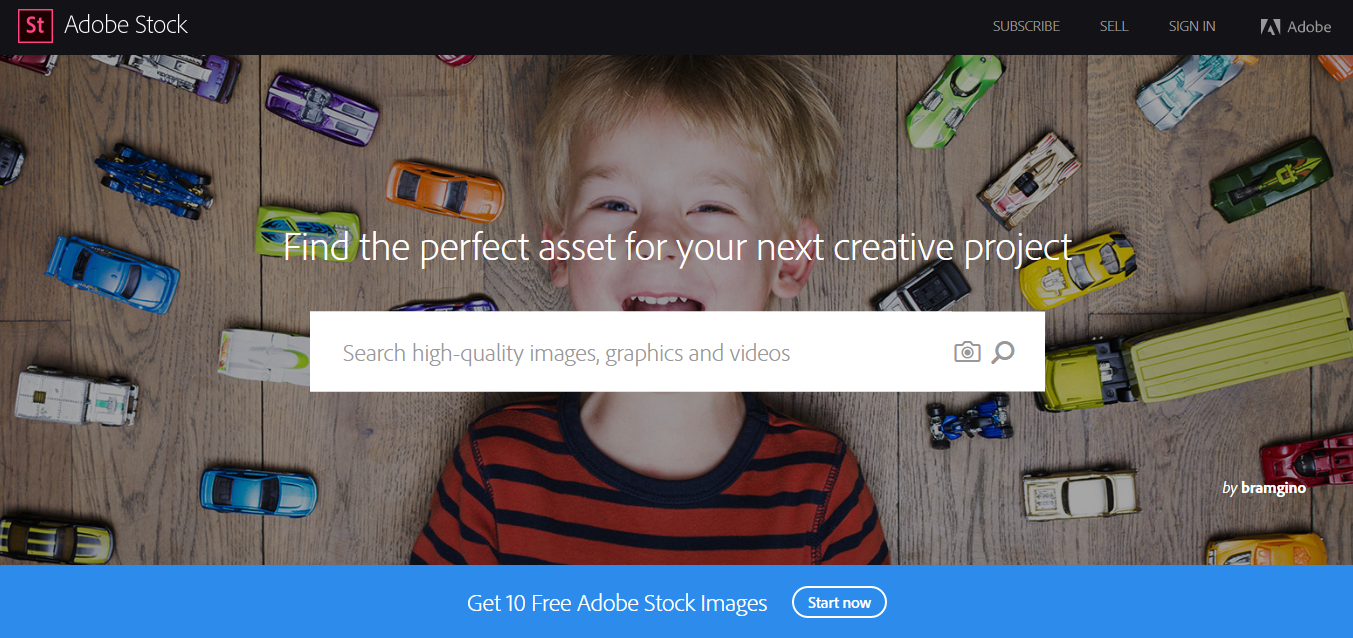
 For over two years, Adobe Stock has been a great stock photo platform not only to Creative Cloud users but other members of the creative community as well. Their collection has grown to include millions of inspiring images from Fotolia contributors and other artists around the world. Whatever you are looking for, you will surely find it inside